
Following pop star Jesy Nelson’s announcement that her twin daughters have been diagnosed with SMA Type 1 and her call for universal newborn screening, South Gloucestershire-based children’s hospice at home charity Jessie May is urging parents and health professionals to recognise early warning signs and act quickly.
“Early action can make a real difference,” says Wendy, a mum supported by Jessie May. “We first approached our GP because Fenn wasn’t meeting her milestones, but our concerns weren’t taken seriously, and she was put on waiting lists for over two months. By then, her condition had worsened significantly. Once she reached hospital, she received gene therapy and her life was saved, but early identification would have changed everything.”
SMA (spinal muscular atrophy) is a rare genetic condition affecting approximately one in 10,000 babies in the UK. Current UK practice does not include routine newborn screening, meaning many infants are only diagnosed after irreversible nerve damage has occurred. Where screening is available, such as in Scotland from Spring 2026, babies can be identified before symptoms develop and begin life-changing treatments within days.*
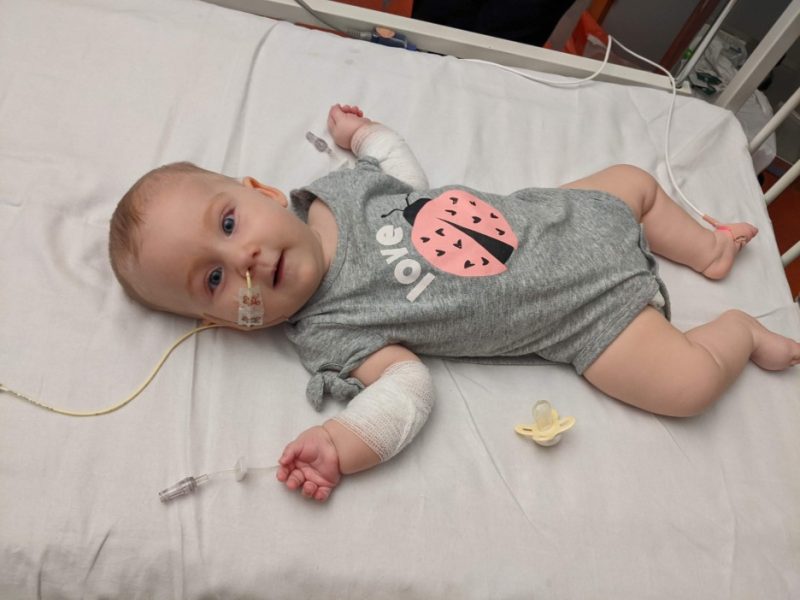
Fenn’s early signs included not lifting her head, struggling in tummy time, and losing previously acquired leg movement. “Before her hospital admission, she started to lose weight rapidly and had trouble feeding,” Wendy explains. “It all happened so fast, and it was frightening. If your GP isn’t taking your concerns seriously, don’t wait – take your child to A&E. Time is of the essence and early treatment can make a real difference.”
When a parent receives an SMA diagnosis, their life is turned upside down – they become not only a parent but also a full-time carer, managing complex medical routines that would usually require hospital care. This is where services like Jessie May are crucial. By providing specialist nursing care in the comfort and safety of the family home, Jessie May allows children with SMA to access vital treatments such as respiratory care, physiotherapy, feeding support, and daily medical routines while maintaining family life.
Stories like Fenn’s highlight the importance of awareness across communities and health services, and the charity hopes that renewed national focus, sparked by Jesy Nelson’s platform and the experiences of families like Fenn’s, will encourage faster diagnosis, wider understanding and earlier access to life-changing interventions.